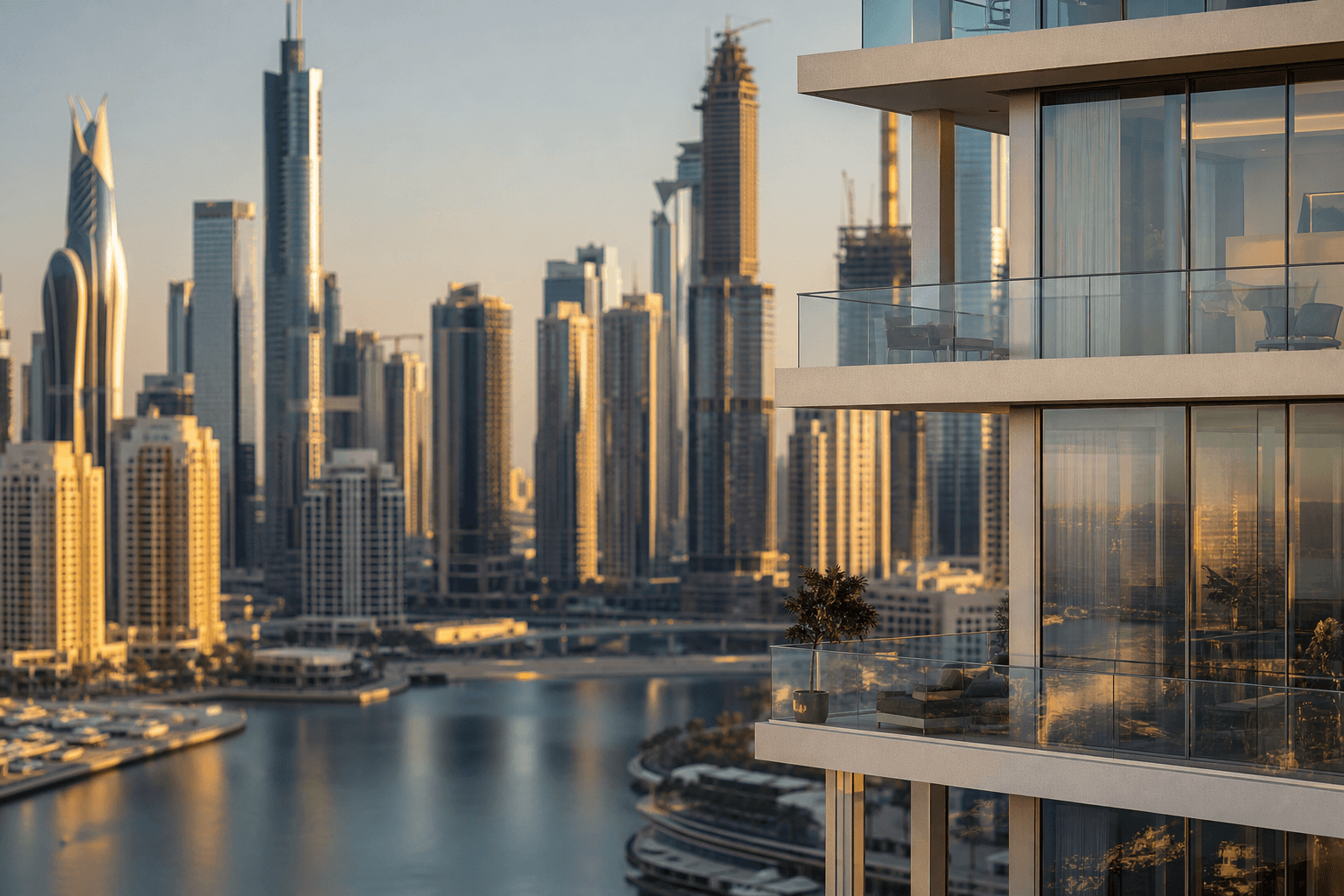
Dubai Supply Pipeline 2026: Area Saturation Risk
Dubai’s 2026 off-plan pipeline is a micro-market selection issue. HNW investors need scarcity, quality and exit liquidity.
MyDubai Editorial Team
Real Estate Research & Content
The MyDubai Off-Plan editorial team covers Dubai property market trends, off-plan investment opportunities, and buyer guides for international investors.
- Dubai’s 2026 off-plan pipeline is not a citywide oversupply story, it is an area-by-area selection problem
- HNW investors should be cautious in heavily launched districts where handovers cluster between 2027 and 2029
- Emaar, Meraas, Nakheel, Sobha and select Aldar Dubai launches remain better positioned than volume-led fringe stock
- The smartest buys in 2026 are scarce waterfront, park-facing, branded, or master-developer controlled assets with resale depth
The dubai supply pipeline in 2026 is the question serious investors are asking before they reserve another unit. Dubai is still attracting global wealth, but not every off-plan tower, lagoon community, or branded residence will absorb equally when several handover waves arrive close together.
The right question is not whether Dubai has too much supply, it is whether your chosen micro-market has too much similar supply at the same price point. For HNW investors, saturation risk is managed before signing the reservation form, not at handover.
How we evaluate: We assess 2026 supply risk using Dubai Land Department transaction data, Dubai REST and DXB Interact market activity, developer delivery records, RERA project status, launch pricing, payment plans, and field checks with brokers, handover teams, and property managers. Our ranking gives more weight to absorption quality, resale liquidity, service-charge economics, and competing handovers than to launch-day sales claims.
dubai supply pipeline 2026: What HNW Investors Must Price In
Dubai’s 2026 supply pipeline is large, but the real risk is concentrated in districts where similar products are launching faster than end-user demand can absorb them. Investors should separate prime scarcity from repeatable inventory, because a sea-view branded residence in Jumeirah or a park-facing Emaar unit in Dubai Hills does not behave like the tenth mid-market tower in a newly opened corridor.
The DLD market still shows strong transaction depth in 2026, particularly from cash-rich international buyers, Golden Visa applicants, and investors rotating from mature global cities into Dubai. Strong citywide demand does not remove local saturation risk, especially where developers are competing with similar 1-bedroom and 2-bedroom layouts, similar amenities, and similar post-handover timelines.
2027-2029
Key Handover Cluster For 2026 Launches
Most 2026 off-plan buyers are not only buying today’s price, they are buying into a future resale window. If five nearby projects hand over within the same 12 to 18 months, landlords compete on rent, sellers compete on price, and investors with weak payment plans lose negotiating power. This is where HNW investors need discipline.
What Counts As Saturation Risk
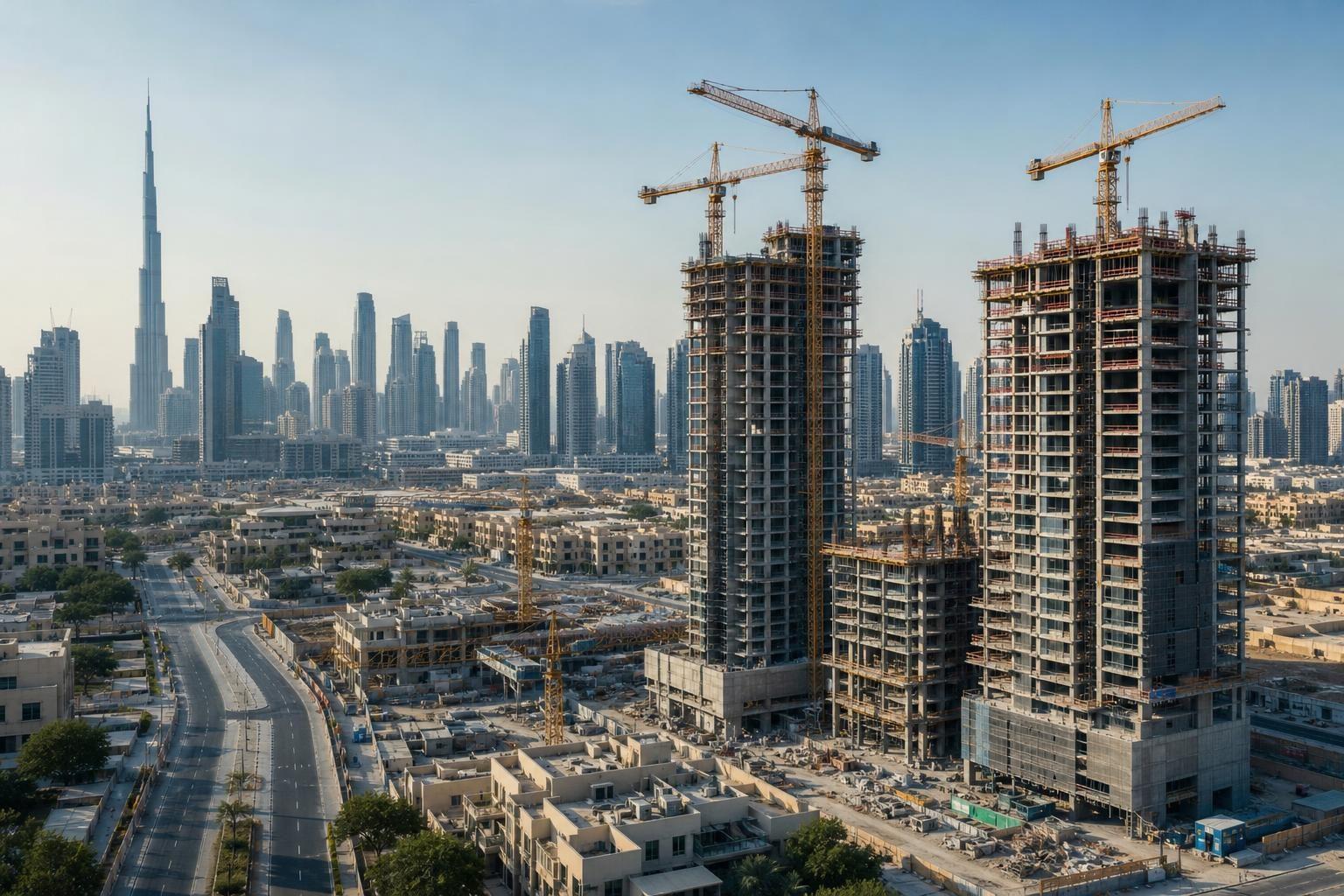
Saturation risk appears when too many comparable units target the same tenant and buyer profile at the same time. In Dubai, that usually means compact 1-bedroom stock aimed at investors, mid-floor apartments with no view premium, or villas in new master communities where multiple phases launch before the first phase has proven resale performance.
Saturation does not automatically mean prices crash. Dubai’s population growth, business formation, family relocation, and capital inflows remain real. The practical risk is softer resale premiums, longer leasing periods, higher incentives to tenants, and weaker appreciation compared with better-located assets. For HNW investors, underperformance is still a cost, even when the asset remains profitable.
The Supply Pipeline Signals I Watch First
The first signal is launch repetition, because repeated stock in the same micro-market reduces scarcity. If every new project offers similar pools, gyms, 60 percent construction-linked plans, and the same 700 to 850 sq ft 1-bedroom units, the investor needs a discount, a superior view, or a stronger developer to justify entry.
The second signal is handover bunching. A project completing into an empty rental market is very different from one completing alongside 3,000 competing keys. I also check whether infrastructure is ahead of handover, including road access, school openings, retail delivery, beach or park activation, and public transport links.
For off-plan verification, investors should check the project registration, escrow account, and advertised approvals through DLD, Dubai REST, or RERA-linked channels before transferring reservation funds.
Where Saturation Risk Is Highest In 2026
The highest-risk areas in 2026 are not necessarily bad areas, they are areas where pricing, supply volume, and exit timing need sharper negotiation. Many will still work for investors who buy the right unit at the right price, but HNW capital should avoid being treated like launch-day liquidity.
Jumeirah Village Circle
Jumeirah Village Circle remains liquid, but it is one of Dubai’s clearest examples of supply competition. JVC has strong rental demand because it is affordable, central enough, and familiar to tenants, yet the number of new towers and investor-owned apartments means the resale market can become crowded quickly.
Typical 2026 gross yields in good JVC buildings sit around 6.5 percent to 8 percent before service charges and vacancy. The issue is not rental demand, it is differentiation. A branded operator, larger layout, park view, or genuinely better finishing can stand out, but ordinary small units in dense clusters need cautious pricing and conservative rent assumptions.
Service charges in JVC can vary widely, often around AED 12 to AED 18 per sq ft for standard apartment buildings, with premium amenity-heavy projects higher. HNW investors should not buy JVC off-plan unless the entry price is clearly below competing ready stock or the project has a real product advantage.
Business Bay
Business Bay is a deep market, but tower-by-tower quality gaps are large and future supply remains heavy. Its proximity to Downtown Dubai, DIFC, Sheikh Zayed Road, and the canal supports demand, yet investors must be selective because one street can trade very differently from another.
Branded residences and canal-facing towers can command premiums, but average stock faces competition from Downtown, DIFC fringe, Dubai Design District, and newer lifestyle districts. In Business Bay, view, parking ratio, lift capacity, lobby quality, and service-charge control are not small details, they drive resale. I have seen investors ignore lift counts and regret it when short-term rental guests, residents, and service staff all compete at peak hours.
Gross yields often range from 5 percent to 7 percent depending on view, furnishing, and building management. If the service charge crosses AED 25 to AED 35 per sq ft in a non-luxury tower, the net yield can disappoint despite strong headline rent. Buyers should model net returns, not brochure returns.
Dubai South And Expo City Fringe
Dubai South has long-term logic, but the 2026 investor must be patient and price-sensitive. The airport, logistics corridor, Expo City, and affordable family housing story are real, yet the area still depends heavily on infrastructure maturity and employment catchment expansion.
Villa and townhouse communities can work for long-horizon buyers, particularly families priced out of Arabian Ranches, Dubai Hills, and Tilal Al Ghaf. The risk is buying a unit with a 2028 or 2029 handover at a price that already assumes full district maturity. If resale liquidity is needed before handover, the buyer pool may be thinner than in established zones.
Dubailand Peripheral Communities
Outer Dubailand communities can offer attractive entry prices, but saturation risk rises when several master plans sell similar townhouses at similar payment terms. Investors attracted by low ticket sizes should check school access, road completion, retail timing, and the actual handover record of the developer.
Some phases will perform well because families want space and affordability. Others will be slow to rent if too many landlords receive keys together. In these communities, I prefer end-user-grade townhouses with better plot orientation, near parks or amenities, rather than small investor units chosen only for the lowest booking amount.
Areas With Better Supply Discipline
The better-positioned areas in 2026 share one trait, they have a scarcity feature that cannot be copied quickly. That may be a beach, a marina, a mature park, a proven school cluster, a master developer with pricing discipline, or a central location with limited remaining land.
Dubai Hills Estate
Dubai Hills remains one of the strongest family-led markets because supply is structured around a proven master plan, not random tower launches. Emaar’s role as master developer matters here, as does the combination of Dubai Hills Mall, schools, hospital access, parkland, and connectivity to Al Khail Road.
Apartments near the park or mall have better rental depth than generic stock farther out, while villas remain expensive but resilient. The weakness is pricing. Good Dubai Hills assets are no longer cheap, so investors need to buy for quality and liquidity, not bargain hunting.
Palm Jebel Ali And Select Waterfront Stock
Palm Jebel Ali has long-horizon upside because true waterfront villa supply in Dubai is limited, but it suits patient capital only. Nakheel’s master plan appeal is clear, and HNW buyers understand that Dubai’s best waterfront land becomes harder to replace over time.
The trade-off is timing. Infrastructure, community activation, and resale depth take time to mature. Palm Jebel Ali should be treated as a strategic land-and-lifestyle allocation, not a quick flip. Investors who need yield immediately should look elsewhere.
Dubai Creek Harbour
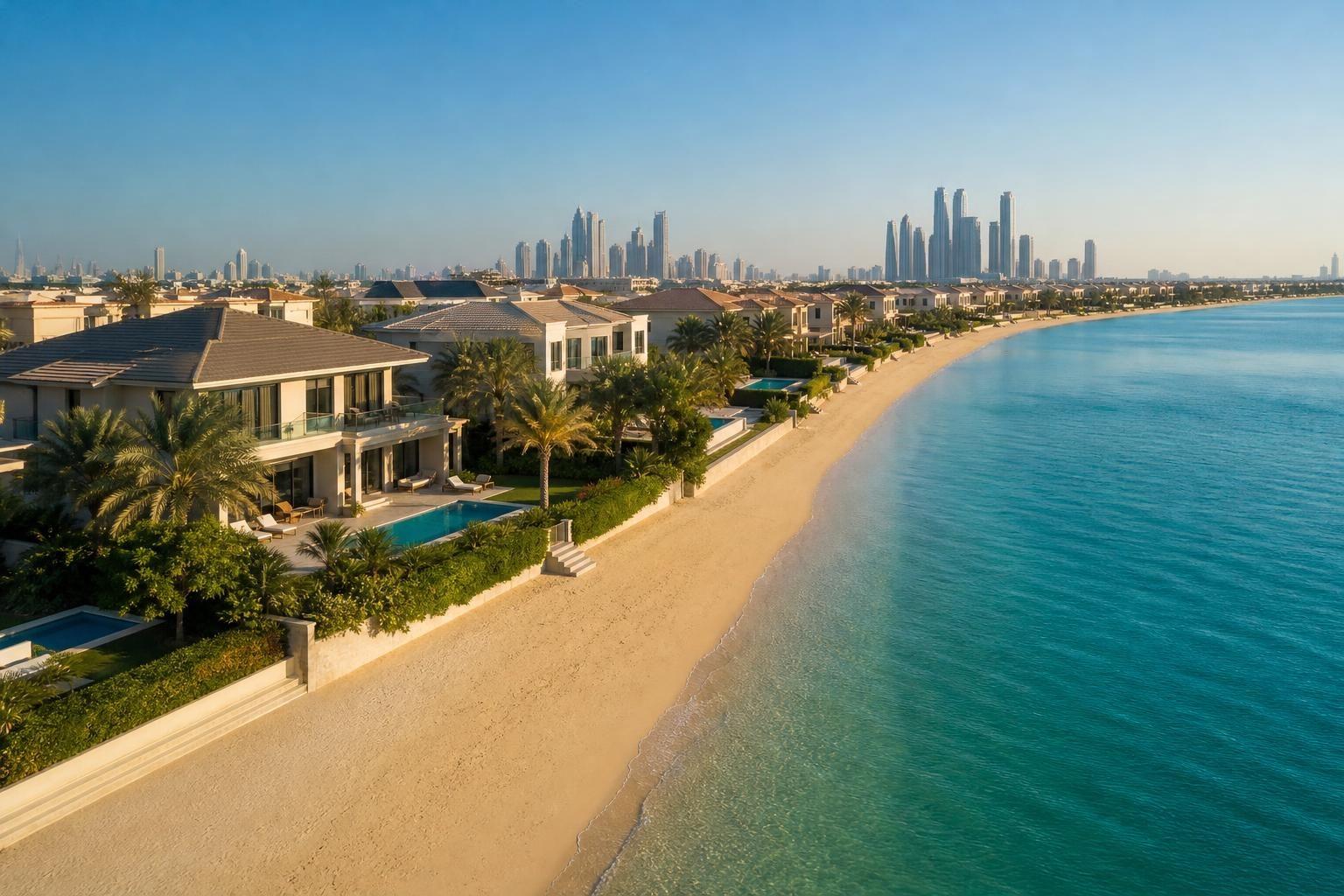
Dubai Creek Harbour remains attractive because it combines waterfront positioning, Emaar master planning, and improving community activation. Its performance depends on view corridors, building quality, and proximity to Creek Beach, the marina, or key retail nodes.
The area is not risk-free. More supply is still coming, and some towers will be ordinary. The best Creek Harbour units are view-led and lifestyle-led, while weak-view investor units may track the broader apartment market rather than outperform it.
Bluewaters, Jumeirah Bay And Ultra-Prime Coastal Pockets
Ultra-prime coastal pockets are less exposed to mass supply because the land is scarce and the buyer pool is wealthier. Bluewaters, Jumeirah Bay, La Mer redevelopment zones, and select Jumeirah beachfront products attract buyers who are not simply comparing price per sq ft.
This does not mean every branded residence is a good buy. HNW investors should still question management fees, brand licensing costs, and resale comparables from actual DLD transfers rather than developer presentations. A famous name on the façade does not fix a poor floor plan.
Project And Developer Quality Matters More Than Launch Hype
In a heavy supply cycle, developer selection is a risk-management tool. Investors should pay for execution because delays, poor snagging, weak facilities management, and high service charges can erase the advantage of a lower entry price.
Developer Ranking By 2026 Investor Confidence
For core off-plan capital, I rank Emaar, Meraas, Nakheel, Sobha, and select Aldar Dubai launches ahead of most smaller private developers. This is not because every project from a major developer is automatically superior, but because delivery standards, master-plan control, bankability, and resale confidence matter when the market becomes selective.
Emaar usually commands a premium, but that premium often comes back in resale depth. Sobha performs well on finish quality, although investors must watch location and service charges. Meraas and Nakheel offer strong lifestyle land banks, particularly where waterfront or central scarcity exists. Aldar’s Dubai expansion is worth watching because Abu Dhabi institutional discipline can appeal to conservative investors. The weakness of top-tier developers is rarely demand, it is entry price.
Smaller developers can produce excellent boutique assets, especially in Business Bay, JVC, Al Furjan, and Meydan, but due diligence must be stricter. For lesser-known names, I want to see escrow confirmation, contractor strength, prior handover evidence, realistic construction progress, and a payment plan that protects the buyer. Official developer pages and project disclosures should match what the sales team claims.
Payment Plan Negotiation Reality
In 2026, the best payment-plan negotiations happen on unit selection, fee absorption, and post-handover terms, not always on headline price. Strong developers rarely discount prime units openly, but they may offer DLD fee waivers, service-charge credits, furniture packages, or allocation advantages for serious buyers.
Typical off-plan payment structures include 60/40 during construction and handover, 70/30, 80/20, and selective post-handover plans such as 50/50 or 60/40 with 2 to 3 years after completion. If a weak project is offering an unusually generous plan, treat it as a risk signal, not a gift. Developers use payment plans to solve absorption problems.
DLD transfer fees are generally 4 percent of the purchase price, with additional admin and trustee office costs, although some developers absorb part or all of that fee during campaigns. A DLD waiver is useful, but it should never be the main reason to buy. Verify fee treatment in the SPA and booking form, not only on WhatsApp.
Snagging And Handover Issues Investors Underestimate
Snagging quality directly affects rental start date, tenant satisfaction, and resale perception. Common issues include AC balancing, water pressure, balcony drainage, scratched glazing, poor joinery alignment, uneven flooring, missing appliance warranties, and slow utility activation.
HNW investors should appoint an independent snagging firm before final handover payment, especially for large apartments, villas, and branded units. Do not rely only on the developer’s handover team, because their incentive is to close keys, not to protect your yield. A proper snagging report can save weeks of delay and thousands of dirhams.
For premium off-plan purchases, ask before booking whether assignment is allowed before handover, what minimum payment threshold applies, whether the developer charges an admin fee for resale, and whether mortgage buyers are accepted at transfer.
Investor Math: Payments, Fees, Yields And Exit Timing
The off-plan return is won or lost through total cost, timing, and exit liquidity, not brochure appreciation. Investors need a net model that includes purchase price, DLD fees, agency fee if applicable, Oqood registration, service charges, furnishing, snagging, mortgage costs, vacancy, and resale costs.
5%-8%
Typical Gross Yield Range In Many Dubai Apartment Districts
Service Charges And Net Yield
Service charges are the quiet drag on Dubai off-plan returns. Standard apartment buildings may sit around AED 12 to AED 22 per sq ft, while luxury towers, branded residences, and waterfront projects can move into AED 25 to AED 60 plus per sq ft depending on facilities, staffing, cooling, and brand standards.
A 1-bedroom unit renting for AED 120,000 per year can look strong on a gross basis, but if annual service charges are AED 18,000, furnishing costs are AED 45,000, and vacancy is one month, the net yield changes quickly. HNW buyers should underwrite net income with conservative rent and real service-charge assumptions from similar completed buildings. RERA service-charge information and building-level owner association data are useful checks through official channels such as RERA services.
Resale Timing Before Handover
The best resale window is often after a project is substantially sold out and construction progress is visible, but before a large competing handover wave hits. Many developers restrict assignment until the buyer has paid 30 percent to 40 percent of the purchase price, sometimes more.
If the market is strong, early buyers in prime allocations can resell at a premium. If launches keep coming nearby, premiums compress. Investors planning to flip should avoid late-entry units in oversupplied clusters, because the next developer launch becomes their direct competitor. This is especially true where developers offer fresh inventory with better payment terms than a private seller can match.
Rental Strategy At Handover
At handover, speed matters. The first landlords to snag properly, furnish professionally, price realistically, and list with competent leasing teams often secure the best tenants before the building becomes crowded with identical listings.
Short-term rental can work in Downtown, Business Bay, Dubai Marina, Palm Jumeirah, Bluewaters, and selected beachfront or event-led locations, but it is management-intensive and seasonal. Do not assume holiday-home returns in areas where tenant demand is mainly annual, family, or workforce driven. For official regulatory context, investors should review Dubai tourism and licensing requirements through Dubai Economy and Tourism and relevant local portals.

My Advisor Verdict For HNW Buyers
My verdict is simple: buy Dubai off-plan in 2026, but only where scarcity, developer control, and exit liquidity are visible before you reserve. I would rather own one exceptional unit in Dubai Hills, Creek Harbour, a prime waterfront address, or a top-tier branded project than three average units in a launch-heavy district with unclear resale depth.
For HNW investors seeking capital preservation plus upside, I favour Emaar master-plan assets, true waterfront scarcity, best-in-building views, larger layouts that suit end users, and villa or townhouse stock in communities with proven family demand. I am less enthusiastic about small investor apartments in dense towers where the only selling point is a low monthly payment. Cheap entry is not the same as value.
Who should not buy? Do not buy 2026 off-plan if you need immediate income, if you may need to liquidate within 12 months, if you cannot fund construction payments without resale, or if you are relying on guaranteed rental claims to make the numbers work. Also avoid off-plan if you are unwilling to inspect documents, compare DLD transactions, and challenge service-charge assumptions.
The trade-off is clear. Off-plan offers phased payments, access to prime new inventory, and potential appreciation before handover. Ready property offers immediate rent, visible condition, and known building performance. For many HNW investors, the best portfolio balance is not all off-plan, but a mix of income-producing ready assets and selective off-plan positions. You can review active opportunities through /projects or speak with us directly before committing funds.
Frequently Asked Questions
Is Dubai Facing Oversupply In 2026?
Dubai is not facing a uniform oversupply problem in 2026, but several districts carry local saturation risk. Prime waterfront, established family communities, and master-developer controlled areas are better protected than launch-heavy apartment corridors with many similar units.
Investors should use DLD transactions, active listings, rental comparables, and handover schedules to judge each micro-market. A citywide headline supply number is less useful than knowing how many competing units will hand over within a 10-minute radius of your project.
Which Dubai Areas Have The Highest Off-Plan Saturation Risk?
In 2026, I would watch JVC, parts of Business Bay, outer Dubailand, Dubai South fringe locations, and some new Meydan or Al Furjan clusters carefully. These areas can still produce good returns, but only with disciplined unit selection and entry pricing.
The warning signs are repeated tower launches, similar layouts, heavy investor ownership, generous payment plans used to push absorption, and limited infrastructure at handover. If the project needs a perfect market to work, it is not the right HNW investment.
Which Developers Are Safer For HNW Off-Plan Investors?
Emaar, Meraas, Nakheel, Sobha, and select Aldar Dubai projects generally offer stronger confidence for HNW investors in 2026. They are not always the cheapest, but they usually provide better brand recognition, delivery credibility, and resale liquidity.
That said, project selection still matters. A secondary unit from a top developer can underperform a well-bought unit from a smaller developer in a better micro-location. Always compare actual DLD resale data and completed building performance before paying a premium.
What Payment Plan Is Best In A Heavy Supply Cycle?
The best payment plan is the one that matches your cash flow and gives you flexibility without masking project weakness. A 60/40 or 70/30 plan from a strong developer can be better than a long post-handover plan from a weaker project in a crowded district.
Investors should confirm assignment rules, minimum payment before resale, late-payment penalties, DLD fee treatment, and handover payment size. A generous plan is useful only if the asset is worth owning at completion.
Should I Flip Before Handover Or Hold For Rent?
Flip only if you bought early, bought a scarce unit, and the project has genuine resale demand before completion. If you entered late or bought in a crowded area, holding for rent may be more realistic, but only if net yield supports the price.
Resale timing matters because developers may still be selling competing units with better payment plans. Private sellers struggle when the developer next door offers fresh inventory, fee waivers, and lower upfront cash requirements.
How Do I Check If An Off-Plan Project Is Properly Registered?
Use official channels such as Dubai REST, DLD services, and RERA-linked project information to verify registration, escrow details, and developer status. Buyers should never transfer funds to personal accounts or unverified entities.
You can start with the Dubai Land Department official website and government digital channels before signing. If the paperwork, escrow account, or SPA terms are unclear, pause the booking until a professional review is completed.
Practical Takeaway For 2026 Investors
The dubai supply pipeline rewards selective buyers and punishes lazy allocation. In 2026, HNW investors should buy scarcity, developer quality, and resale depth, not just a payment plan, a launch discount, or a glossy branded brochure.
My practical takeaway is to shortlist three target areas, compare competing handovers within each, stress-test net yield after service charges, and only then reserve the best unit you can afford. If the asset cannot defend its price at handover, it does not belong in your Dubai portfolio.
About the Author
Real Estate Research & Content
The MyDubai Off-Plan editorial team covers Dubai property market trends, off-plan investment opportunities, and buyer guides for international investors.
This article is for informational purposes only and does not constitute financial, legal, or investment advice. Always verify information directly with property developers and relevant authorities before making any decisions.
Related Articles
See all articles in this topic
Luxury Off-Plan Apartments and Penthouses in Dubai: 2026 Guide
What AED 5-10M, 10-20M and 20M+ buys in Dubai luxury apartments and penthouses in 2026, with Knight Frank and Savills prime data, yields and costs.

Dubai Off Plan Capital Gains 2026: Investor Exit Guide
A 2026 investor guide to Dubai off-plan capital gains, net profit, fees, resale timing, and exit strategy.

Dubai Property Portfolio Strategy for AED 10M to AED 50M
A 2026 guide for HNW investors allocating AED 10M to AED 50M across Dubai ready, off-plan, villa, and income assets.